
Boiler servicing and repairs
Boiler servicing and repairs
Annual servicing, breakdown diagnosis and repairs for homes across Plymouth, Devon and Cornwall. If something is wrong with your boiler, describe it and Dale will tell you what he thinks it is and what it will take to sort out.
Servicing
An annual service, done properly
A service is not just a stamp in a book. It is the chance to find the small problems before they turn into a cold house in December, and it is usually a condition of your boiler warranty and any manufacturer guarantee.
- Checking the boiler is burning safely and efficiently.
- Inspecting and testing the flue, seals and ventilation.
- Checking the gas pressure and looking for leaks or deterioration.
- Checking the safety devices, controls and pressure readings.
- Looking at the system water, pressure and any signs of corrosion or sludge.
- Telling you about anything that is likely to become a problem, in plain English.
If something is worn or unsafe, Dale will show you and explain it. He will also tell you honestly when a repair is not worth doing.
Repairs
When the boiler stops working
Boilers fail at the worst possible times. Dale offers 24/7 availability and covers emergency and out-of-hours call-outs. He aims to get back to you straight away, but response and attendance times are not guaranteed — they depend on where he is and how busy he is.
He carries common parts on the van, but plenty of faults need a specific component ordered in. Where that happens, you will be told before anything is ordered.
Describe the symptoms — it speeds everything up
- A fault code or error message on the boiler display.
- No hot water, or hot water that goes cold quickly.
- The heating not coming on, or some radiators staying cold.
- The boiler locking out, cutting out or needing to be reset.
- Pressure that keeps dropping, or a pressure gauge sitting too low.
- Banging, whistling, gurgling or dripping noises from the boiler or pipework.
- A leak, or water appearing where it should not be.
- A smell you are not happy about — if you can smell gas, call 0800 111 999 first.
Before you call
Have the boiler make and model ready if you can
It is the single most useful thing you can give Dale, because it tells him which parts and which fault codes he is likely to be dealing with before he arrives.
Where to find it
On the front of the boiler, usually on a flap or behind a small panel. It is normally on a data badge or sticker rather than the display.
A photo works
Photograph the badge and the display panel and send both. If there is a fault code on screen, that is even more useful.
Say what changed
Did it stop suddenly? Has it been getting worse? Did it happen after a power cut, a pressure top-up or a radiator being bled?
Note the boiler age
Roughly how old is it, and when was it last serviced? That helps decide whether a repair is the right call.
An important limit
Why there is no fault-finding guide on this page
Working on a gas appliance is not a DIY job. By law, anyone carrying out gas work in the UK must be Gas Safe registered for that specific type of work, and getting it wrong can put you and your household at risk of carbon monoxide poisoning, fire or explosion.
So this page will not walk you through opening a boiler case, resetting a gas valve or diagnosing a burner fault. It will tell you what to describe to Dale, and he will take it from there.
Things you can safely do yourself: check the boiler is switched on at the spur, check the thermostat is actually calling for heat, check the pressure gauge against the level the manufacturer states, and check the condensate pipe is not frozen in cold weather. Beyond that, call someone.
Gas safety
If you smell gas, call the free national emergency line
The National Gas Emergency Service is operated by the gas networks, is free to call and is available 24 hours a day. If you smell gas or suspect a leak, that is the number to ring — not a heating engineer.
Call 0800 111 999While you wait for them
- Do not smoke, light matches or use naked flames.
- Put out any cigarettes or other naked flames.
- Open doors and windows to ventilate the property.
- Turn off the gas supply at the meter if you can reach it safely.
- Do not turn electrical switches on or off.
- If the smell is strong or you feel unwell, leave the property and tell the emergency service where you are.
Guidance summarised from the gas networks’ published safety advice. In an emergency always follow the instructions given to you on the call.
Tell Dale what the boiler is doing
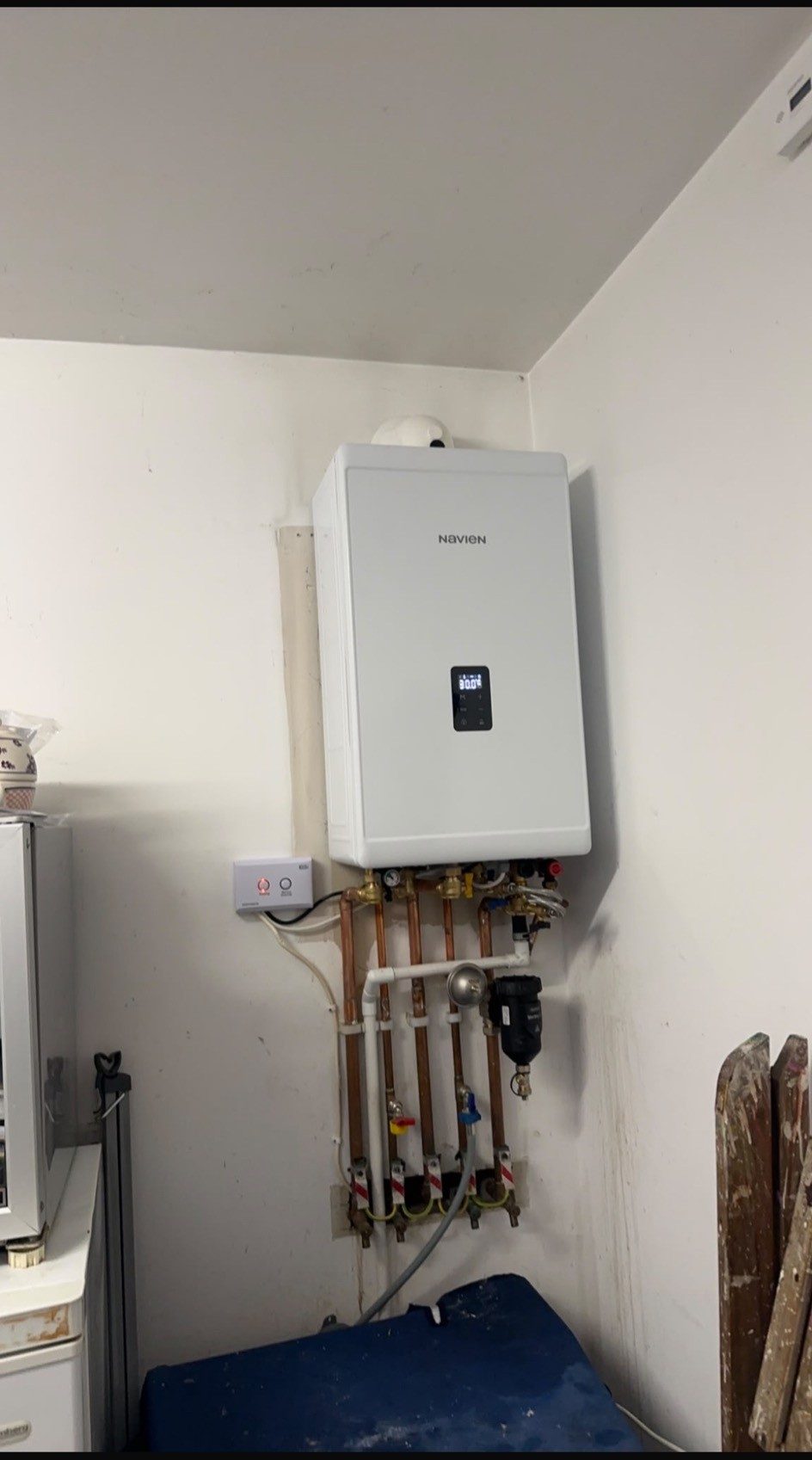
A quick message describing the symptoms, with a photo of the boiler badge and any fault code, is usually enough for Dale to tell you what he expects to find.
Enquiries and requested dates are not confirmed bookings until Dale replies and agrees them with you.